
Product & enterprise engineering
Put the workflow where the work happens.
Design customer and workforce applications for the devices and conditions people use every day. From service requests and delivery records to mobile portals, we plan the interface, backend, device permissions and offline behaviour together.
SEE HOW THE TECHNOLOGY WORKS
An idea becomes a connected system.
Explore how product design, data and software engineering come together around your business.
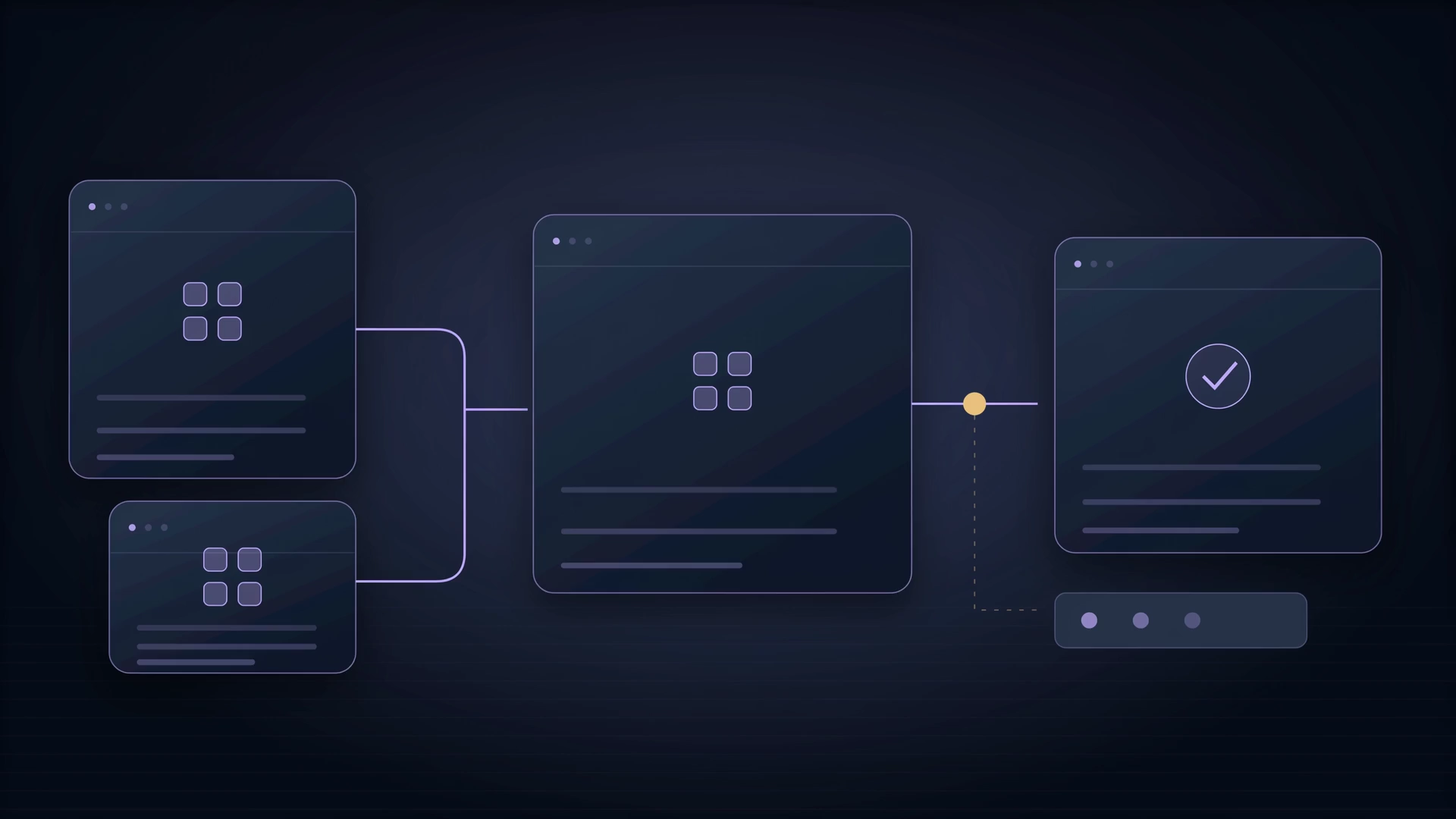
INTERACTIVE WORKFLOWIllustrative engineering scenario
01 / 03
Shape the product
Map the people, their jobs and the decisions the software must support. Turn the scope into a prototype and acceptance criteria.
Business problem + user needsA product blueprint and testable scope
Read the complete workflow
Shape the product
Map the people, their jobs and the decisions the software must support. Turn the scope into a prototype and acceptance criteria.
Business problem + user needs → A product blueprint and testable scope
Build and connect
Develop the experience, data model and APIs. Add AI where it improves the workflow, with identity and access built in.
Blueprint + data + integration contracts → Working application modules
Validate and operate
Test real acceptance scenarios, plan the release and make ownership, monitoring and ongoing support explicit.
A tested release candidate → A release with a clear operating plan
Customer mobile portals and requests
Delivery capture and workforce tools
FROM INPUT TO USEFUL OUTPUT
Follow the work. Inspect the result.
Explore a proposed delivery workflow. Each step connects an activity to something your team can review.
WORKFLOW BLUEPRINTIllustrative delivery design
INPUTS TO DEFINE
Target users, devices and operating conditions
Backend systems and authentication requirements
Distribution and offline requirements
REVIEWABLE OUTPUT
A device-aware interaction prototype
Map the task in its real environment: one-handed use, intermittent signal, language and accessibility. Prototype the essential journey.
Reviewed against agreed requirementsWHAT WE DEFINE AND DELIVER
Practical artifacts. A shared definition of done.
The exact scope follows discovery. These are the building blocks we discuss, specify and review together.
- Mobile UX and accessible prototypes
- Application and backend engineering
- Device, notification and offline workflows
- Device testing and release preparation
HOW THE PIECES CONNECT
Architecture with your operation in mind.
Mobile client → identity and APIs → application services → enterprise systems. Offline queues and conflict resolution are designed explicitly when connectivity cannot be assumed.
Designed around real constraints.
- Native, cross-platform and web approaches have different device and distribution constraints; the choice follows the scope.
- App-store approval, device access and background behaviour depend on platform rules and cannot be guaranteed universally.
FIND THE RIGHT STARTING POINT
A product where it fits. A custom build where it matters.
Choose the application approach around real users, connectivity, device capabilities and how releases will be managed.
Bring your objective and the people it should help. We will shape a first scope and the evidence needed to move forward.
Discuss this projectYour starting point is carried into an editable inquiry. Nothing is booked or provisioned by making this selection.A CLEAR PATH THROUGH DELIVERY
One plan. Visible progress.
A complete build, a focused integration or specialists alongside your team. The engagement follows the scope—not a fixed team template.
- 01
Discover
Define users, the process, constraints and a useful first measure of success.
- 02
Design
Make the interface, architecture, data and integration decisions visible.
- 03
Build & evaluate
Deliver working increments and test the task, permissions and difficult cases.
- 04
Release & evolve
Agree rollout, recovery, handover and the people responsible for ongoing operation.
BEFORE YOU START
Good questions. Clear answers.
Can the application work offline?
Selected tasks can be designed for offline use with local storage, synchronization and conflict handling. Each task needs a clear rule for stale or conflicting information.
Can you connect mobile features to our business systems?
Yes, within the agreed API, identity and permission model. Integration, device features and distribution are assessed together.
LET’S MAKE THE NEXT STEP USEFUL
Tell us what needs to work better.
Talk with our team
Explore with our AI guide, or reach the people who can scope the work.