


Blockchain & digital trust
Build the complete transaction experience.
Develop NFT marketplaces and digital-asset experiences from minting and discovery to purchase, ownership and support. Bring creator tools, collections, metadata, wallet integration, listings and operator controls into a product designed around your asset rights and business model.
SEE HOW THE TECHNOLOGY WORKS
A shared record. A clear chain of responsibility.
See where signatures and shared records fit into a real enterprise workflow.
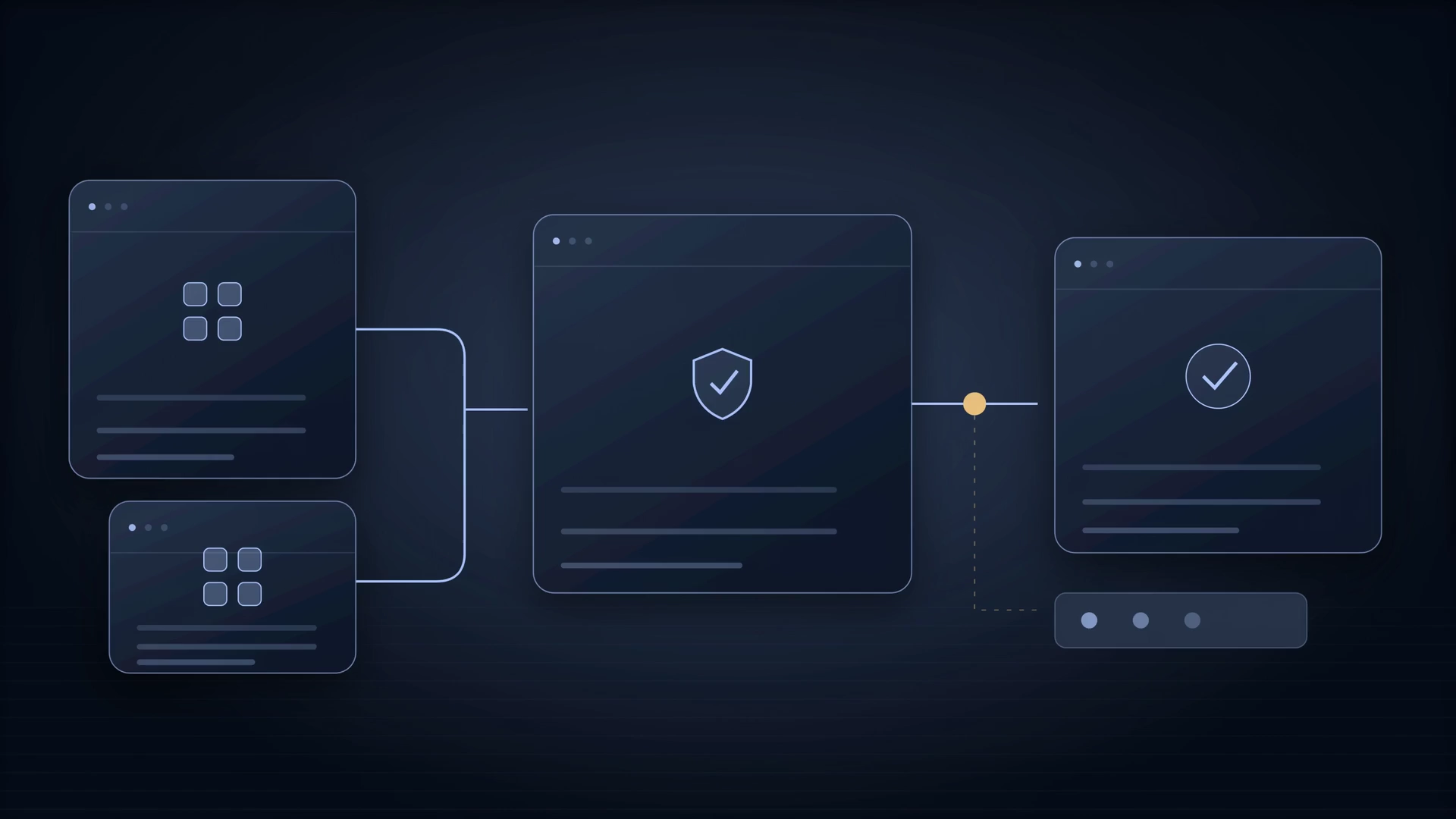
INTERACTIVE WORKFLOWIllustrative engineering scenario
01 / 03
Establish the source
Define who supplies the record, what the source system verifies and who is allowed to sign.
A business record and identified issuerAn authorized signed assertion
Read the complete workflow
Establish the source
Define who supplies the record, what the source system verifies and who is allowed to sign.
A business record and identified issuer → An authorized signed assertion
Coordinate participants
Agree the participant permissions, validation rules and correction process before selecting the network design.
Signed record + network rules → A consistent shared event history
Connect the workflow
Connect records to enterprise systems and make the audit trail inspectable. A ledger records a claim; it does not independently prove the physical event.
Recorded event + integration scope → Traceable system updates
Brand-owned collections and launches
Membership, access and loyalty experiences
Game-asset ownership and application integration
Fixed-price sales, offers and auctions
Marketplace moderation and operator reporting
FROM INPUT TO USEFUL OUTPUT
Follow the work. Inspect the result.
Explore a proposed delivery workflow. Each step connects an activity to something your team can review.
WORKFLOW BLUEPRINTIllustrative delivery design
INPUTS TO DEFINE
Asset rights, creator terms and holder benefits
Collection, minting, sale and moderation requirements
Chain, wallet, media and payment-provider interfaces
REVIEWABLE OUTPUT
A collection, rights and minting specification
Map creator permissions, asset rights, metadata, media storage and the minting lifecycle. Define collection approval, content moderation and what ownership means inside the application before designing the sale.
Reviewed against agreed requirementsWHAT WE DEFINE AND DELIVER
Practical artifacts. A shared definition of done.
The exact scope follows discovery. These are the building blocks we discuss, specify and review together.
- Creator onboarding, collection management and minting workflows
- Metadata, media storage and content moderation rules
- Discovery, fixed-price listings, offers and scoped auction mechanics
- Wallet, contract, payment-provider and event-index integration
- Fees, royalty instructions and transaction reconciliation
- Operator CMS, reporting, dispute and support tools
HOW THE PIECES CONNECT
Architecture with your operation in mind.
Creator tools and CMS → metadata/media storage → minting contracts → discovery and listings → wallet/payment flow → event index and operator records. Membership benefits and external asset rights need their own authoritative systems.
Designed around real constraints.
- An NFT does not automatically grant copyright, legal ownership of an external asset or access to a service. The operator defines and supports the rights attached to the experience.
- Marketplace software does not create buyer demand, liquidity or investment returns. Royalty enforcement and transaction behaviour depend on the contracts and marketplaces involved.
FIND THE RIGHT STARTING POINT
A product where it fits. A custom build where it matters.
Define what the token represents and what its holder can do. Design creation, discovery, transactions and customer support around those rights.
Bring your objective and the people it should help. We will shape a first scope and the evidence needed to move forward.
Discuss this projectYour starting point is carried into an editable inquiry. Nothing is booked or provisioned by making this selection.A CLEAR PATH THROUGH DELIVERY
One plan. Visible progress.
A complete build, a focused integration or specialists alongside your team. The engagement follows the scope—not a fixed team template.
- 01
Discover
Define users, the process, constraints and a useful first measure of success.
- 02
Design
Make the interface, architecture, data and integration decisions visible.
- 03
Build & evaluate
Deliver working increments and test the task, permissions and difficult cases.
- 04
Release & evolve
Agree rollout, recovery, handover and the people responsible for ongoing operation.
BEFORE YOU START
Good questions. Clear answers.
Can you build a brand-owned NFT marketplace?
Yes. We can scope a brand-owned or curated marketplace with collection management, creator permissions, minting, discovery, sales and operator tools. Asset rights and moderation requirements shape the implementation.
Can customers use cards or familiar sign-in methods?
We assess wallet, identity and payment-provider options for the intended audience. Card payments, account recovery and custody depend on supported providers, approved access and the operator’s responsibilities.
Can the token unlock membership or game features?
Yes, where the receiving application supports the agreed verification and entitlement flow. We define ownership checks, expiry, transfers and revocation with the team responsible for delivering the benefit.
Is this the same as a DeFi platform?
No. DeFi lending, staking or liquidity features need a separate protocol and risk specification. Marketplace engineering focuses on creation, discovery, ownership, transactions and the operating experience.
LET’S MAKE THE NEXT STEP USEFUL
Tell us what needs to work better.
Talk with our team
Explore with our AI guide, or reach the people who can scope the work.