


Configure a product
Start with proven product capabilities, your approved information and a defined operating owner. Confirm the required features and plan during discovery.
Intelligence for the way you work.
Connect the products. Move the work forward.
Find your next advantage.
Bring orders, inventory, movement, equipment and customer communication into a shared operational picture. We combine AI, custom software and your existing systems to make the next action clear.
For logistics operators, warehouse leaders, manufacturers and supply-chain teams.
Explore the path from a selected camera view to evidence, review and response.
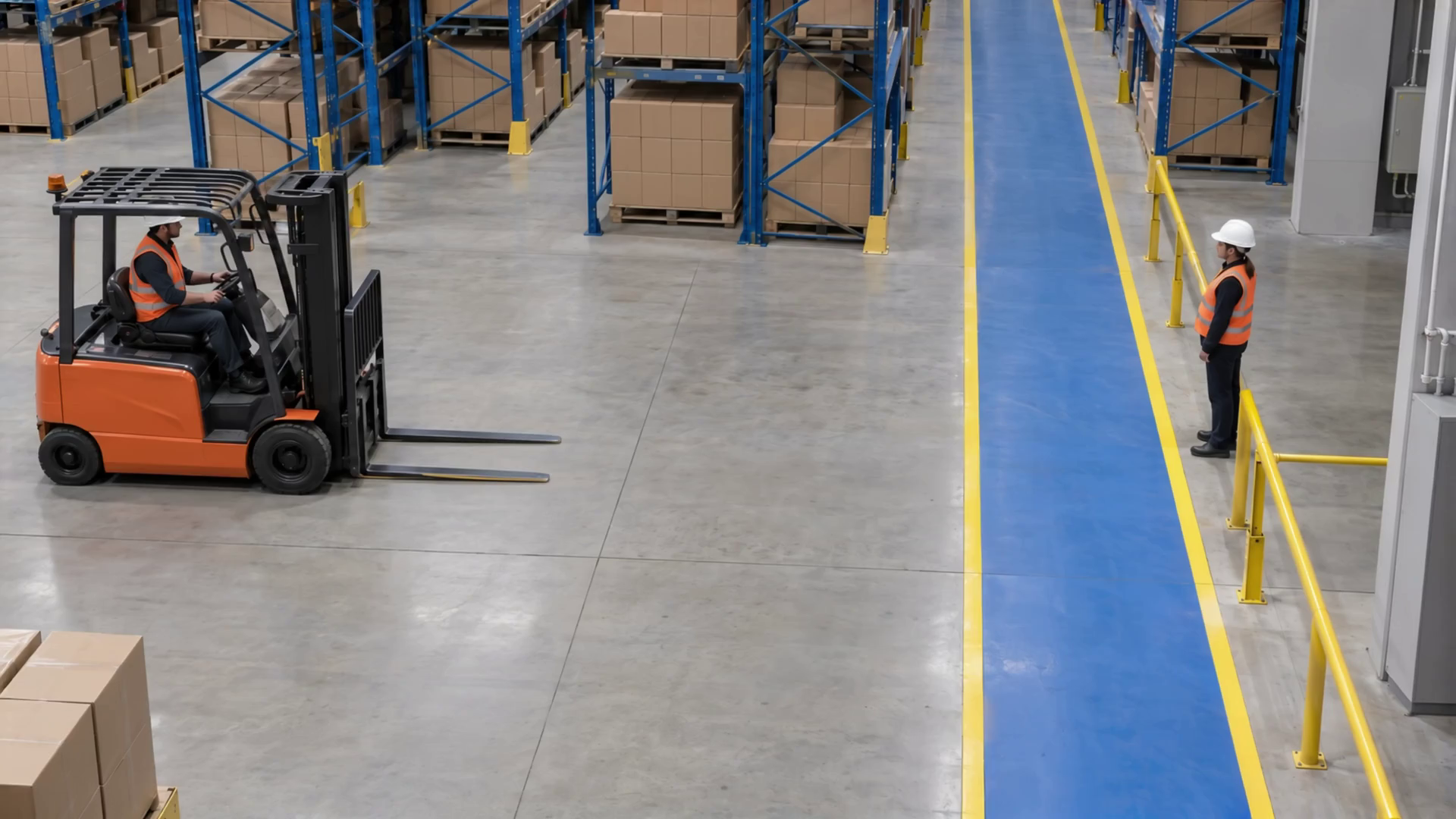
Choose a suitable camera view, observable event and agreed collection frequency. Establish what the footage can actually show.
Choose a suitable camera view, observable event and agreed collection frequency. Establish what the footage can actually show.
Selected camera frames → Frames suitable for the agreed analysis
Apply configured models, zones and event rules. Review detections and thresholds before relying on a metric.
Frames + configured event definitions → A reviewable event and supporting frame
Give the responsible team the evidence, route an agreed follow-up and assess false alerts during the pilot.
Event evidence + response rules → A human-reviewed operational response
Choose a workflow and inspect the sources, intelligence, review and outcome. These are engineering examples to scope with your team.
Status updates arrive in different systems while customers and dispatchers ask the same questions.
Shipment reference, carrier events and the promised service window.
TMS · carrier APIs · CRM · Echo
A camera observes a scene; a WMS confirms inventory; a TMS supplies shipment status. Each signal keeps its source and review owner.
Adopt a product where it fits. Connect it to approved systems. Build a tailored application when the workflow needs more.
Start with proven product capabilities, your approved information and a defined operating owner. Confirm the required features and plan during discovery.
Map identifiers, permissions, API actions and error paths. Keep the source of truth clear and design an accountable handoff when a system is unavailable.
Create the portals, mobile experiences, data pipelines and operational interfaces your organisation needs. AI Squad can bring product, design and engineering into one delivery team.
Inputs, dependencies and review points remain visible. The measures below are evaluation criteria for your pilot, not claimed customer results.
Status updates arrive in different systems while customers and dispatchers ask the same questions.
A stock figure is difficult to trust when receipts, picks and returns do not reconcile.
A visible obstruction or recurring equipment issue gets recorded without a clear owner.
We scope the users, systems and decisions first. A pilot produces a working flow, review criteria and a rollout decision—not a promise that every integration is already available.
Scope the first workflowOne warehouse, route or production process with a named owner
Sample orders, event definitions and access to the relevant systems
Agreed exception categories and permitted follow-up actions
Workflow map · integration contract · test cases · review roles · rollout and support ownership. Scope and timing are agreed after discovery.
Yes, the starting point is your existing operation. Discovery checks API access, identifiers, authentication and data quality. Where a system cannot support a required action, we agree a safe handoff or a separate integration scope.
It can combine both. We identify the product capabilities that fit, the configuration required and the engineering work needed around them. Your proposal separates these responsibilities and deliverables.
Agree a baseline, representative test cases, source quality and acceptance criteria before rollout. Review incorrect outputs, failed actions and human effort as well as speed. Expand only when the responsible team accepts the result.