
AI & connected operations
Connect field signals to useful action.
Bring devices, sensors and operational software into a coherent workflow. We design ingestion, event rules, operator views and integrations around connectivity, maintenance and the physical conditions of your operation.
SEE HOW THE TECHNOLOGY WORKS
Make a visible event actionable.
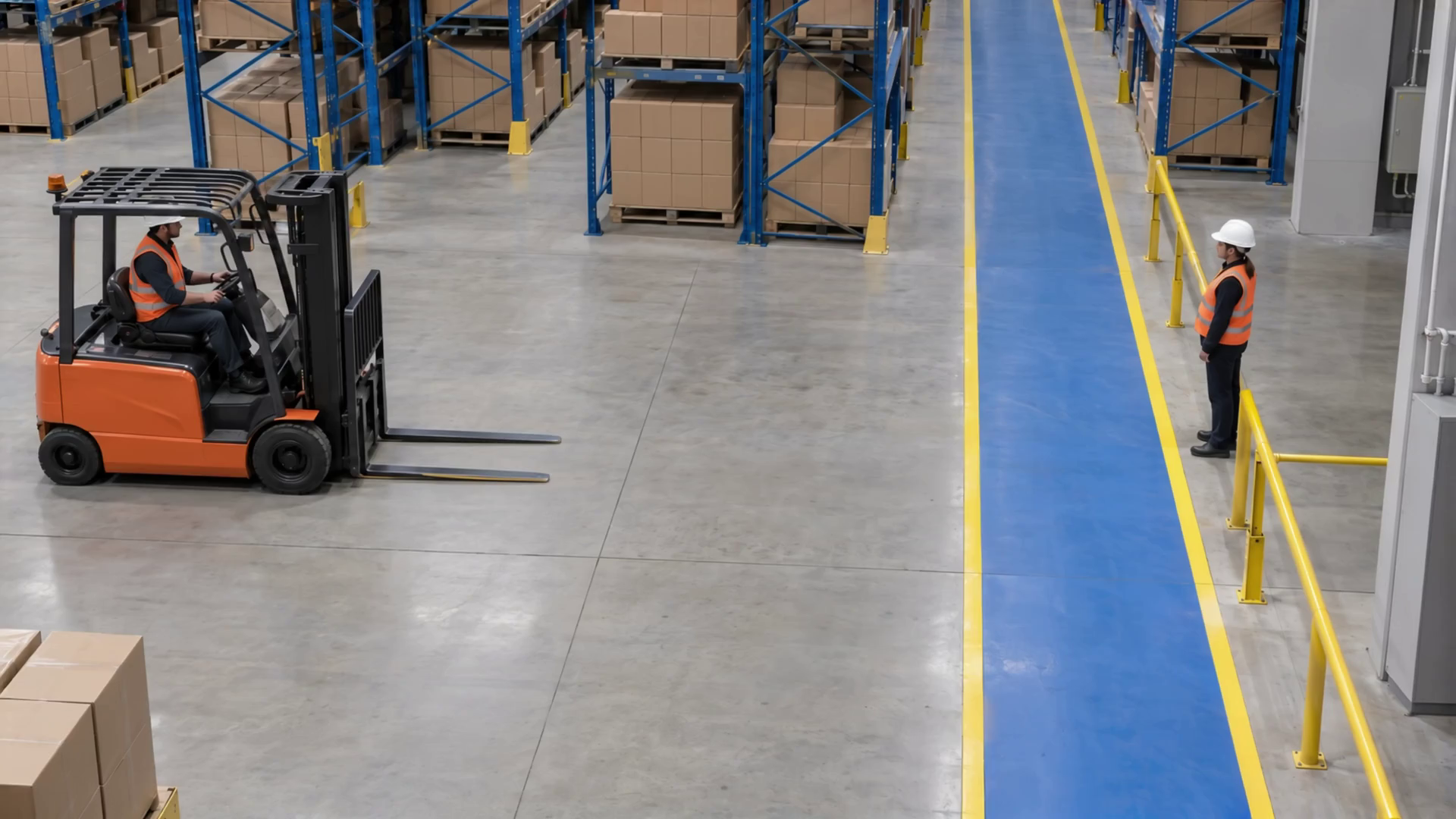
Explore the path from a selected camera view to evidence, review and response.
INTERACTIVE WORKFLOWIllustrative engineering scenario
01 / 03
Observe a defined scene
Choose a suitable camera view, observable event and agreed collection frequency. Establish what the footage can actually show.
Selected camera framesFrames suitable for the agreed analysis
Read the complete workflow
Observe a defined scene
Choose a suitable camera view, observable event and agreed collection frequency. Establish what the footage can actually show.
Selected camera frames → Frames suitable for the agreed analysis
Add analytical context
Apply configured models, zones and event rules. Review detections and thresholds before relying on a metric.
Frames + configured event definitions → A reviewable event and supporting frame
Review and respond
Give the responsible team the evidence, route an agreed follow-up and assess false alerts during the pilot.
Event evidence + response rules → A human-reviewed operational response
Field events and maintenance requests
Camera and sensor context in one operator view
FROM INPUT TO USEFUL OUTPUT
Follow the work. Inspect the result.
Explore a proposed delivery workflow. Each step connects an activity to something your team can review.
WORKFLOW BLUEPRINTIllustrative delivery design
INPUTS TO DEFINE
Device specifications and permitted access
Site connectivity and maintenance conditions
Event rules and response owners
REVIEWABLE OUTPUT
A device and data contract
Identify devices, protocols, sampling needs and field conditions. Distinguish measured sensor values from inferred visual events.
Reviewed against agreed requirementsWHAT WE DEFINE AND DELIVER
Practical artifacts. A shared definition of done.
The exact scope follows discovery. These are the building blocks we discuss, specify and review together.
- Device and signal integration plan
- Ingestion, buffering and event processing
- Asset and operator interfaces
- Monitoring and field rollout plan
HOW THE PIECES CONNECT
Architecture with your operation in mind.
Device/sensor → gateway or edge → ingestion and event processing → asset context → operator or enterprise workflow. Hardware maintenance and software operations have explicit owners.
Designed around real constraints.
- Sensor calibration, hardware reliability and network availability affect the usefulness of the data.
- Automation affecting physical equipment requires a separately assessed control and safety scope.
FIND THE RIGHT STARTING POINT
A product where it fits. A custom build where it matters.
Choose the signal needed for a decision, then design how it is captured, transported, interpreted and acted on.
Bring your objective and the people it should help. We will shape a first scope and the evidence needed to move forward.
Discuss this projectYour starting point is carried into an editable inquiry. Nothing is booked or provisioned by making this selection.A CLEAR PATH THROUGH DELIVERY
One plan. Visible progress.
A complete build, a focused integration or specialists alongside your team. The engagement follows the scope—not a fixed team template.
- 01
Discover
Define users, the process, constraints and a useful first measure of success.
- 02
Design
Make the interface, architecture, data and integration decisions visible.
- 03
Build & evaluate
Deliver working increments and test the task, permissions and difficult cases.
- 04
Release & evolve
Agree rollout, recovery, handover and the people responsible for ongoing operation.
BEFORE YOU START
Good questions. Clear answers.
Can you integrate existing devices?
We assess supported protocols, data access and device lifecycle first. A gateway or adapter may be required for older equipment.
Does this require blockchain?
No. A conventional event platform may be sufficient. Shared provenance or multi-party trust requirements can justify a separate ledger assessment.
LET’S MAKE THE NEXT STEP USEFUL
Tell us what needs to work better.
Talk with our team
Explore with our AI guide, or reach the people who can scope the work.