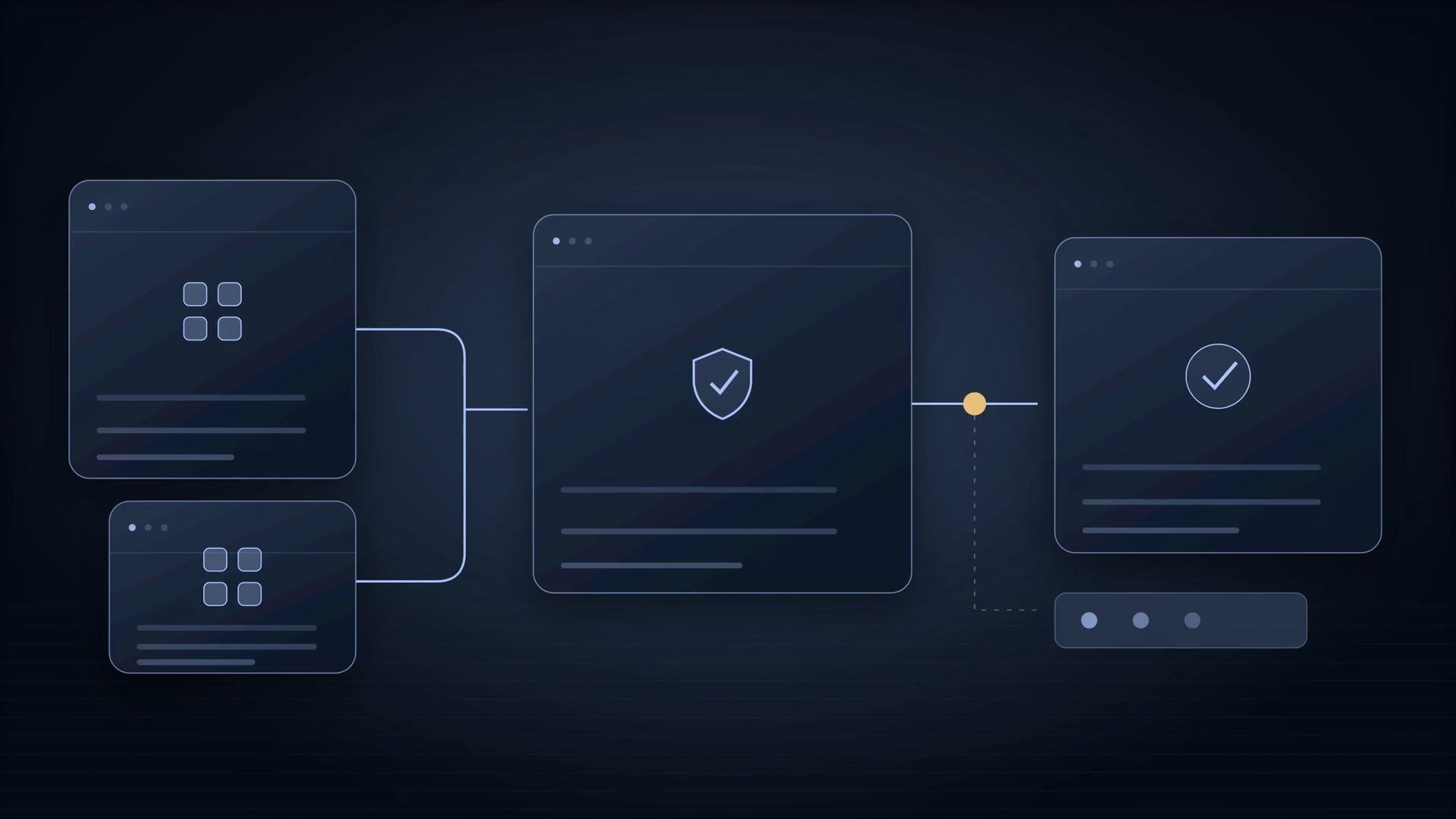
Configure a product
Start with proven product capabilities, your approved information and a defined operating owner. Confirm the required features and plan during discovery.
Engineer shared operational records between airlines, airports, ground handlers, maintenance teams and cargo partners. Use permissioned records where multiple parties need controlled visibility, signed events and an agreed evidence trail.
For airlines, airport operations, ground-service providers, MRO and air-cargo teams.
See where signatures and shared records fit into a real enterprise workflow.
Define who supplies the record, what the source system verifies and who is allowed to sign.
Define who supplies the record, what the source system verifies and who is allowed to sign.
A business record and identified issuer → An authorized signed assertion
Agree the participant permissions, validation rules and correction process before selecting the network design.
Signed record + network rules → A consistent shared event history
Connect records to enterprise systems and make the audit trail inspectable. A ledger records a claim; it does not independently prove the physical event.
Recorded event + integration scope → Traceable system updates
Choose a workflow and inspect the sources, intelligence, review and outcome. These are engineering examples to scope with your team.
Different partners record the same turnaround milestones in separate systems.
Flight context, service assignments and timestamped completion events.
Airport operations · airline systems · ground-handler apps
Recording a sign-off does not certify airworthiness or authorize a flight. Safety, operational authority and regulatory decisions remain with the responsible aviation professionals.
Adopt a product where it fits. Connect it to approved systems. Build a tailored application when the workflow needs more.
Start with proven product capabilities, your approved information and a defined operating owner. Confirm the required features and plan during discovery.
Map identifiers, permissions, API actions and error paths. Keep the source of truth clear and design an accountable handoff when a system is unavailable.
Create the portals, mobile experiences, data pipelines and operational interfaces your organisation needs. AI Squad can bring product, design and engineering into one delivery team.
We can scope these connected capabilities around your participants, systems and governance. Availability and integrations are confirmed for your project.
Turnaround, ground services, cleaning, fueling, catering and restocking records
Cargo warehousing, transport, baggage and spare-part provenance
Travel, workforce and airport-access credentials with issuer control
Incident evidence, insurance review and permitted regulator portals
RFID, IoT, mobile sign-off and existing airline or airport interfaces
Inputs, dependencies and review points remain visible. The measures below are evaluation criteria for your pilot, not claimed customer results.
Different partners record the same turnaround milestones in separate systems.
An asset or shipment crosses parties without a consistent custody record.
Partners need to validate current documents without exposing an entire record set.
We scope the users, systems and decisions first. A pilot produces a working flow, review criteria and a rollout decision—not a promise that every integration is already available.
Scope the first workflowA selected multi-party workflow and participant permissions
Event definitions, authoritative sources and signing responsibilities
Offline procedures, disputed-event handling and system integration scope
Workflow map · integration contract · test cases · review roles · rollout and support ownership. Scope and timing are agreed after discovery.
Yes, the starting point is your existing operation. Discovery checks API access, identifiers, authentication and data quality. Where a system cannot support a required action, we agree a safe handoff or a separate integration scope.
It can combine both. We identify the product capabilities that fit, the configuration required and the engineering work needed around them. Your proposal separates these responsibilities and deliverables.
Agree a baseline, representative test cases, source quality and acceptance criteria before rollout. Review incorrect outputs, failed actions and human effort as well as speed. Expand only when the responsible team accepts the result.